The United Arab Emirates has announced a sweeping advanced manufacturing strategy, committing over AED 40 billion (around $11 billion) in the next five years to drive industrial growth and reduce…
The United Arab Emirates has announced a sweeping advanced manufacturing strategy, committing over AED 40 billion (around $11 billion) in the next five years to drive industrial growth and reduce dependency on oil revenues. The move is part of Operation 300bn, a ten-year roadmap introduced in 2021 under the UAE industrial strategy, aiming to boost the sector’s GDP contribution to AED 300 billion by 2031.
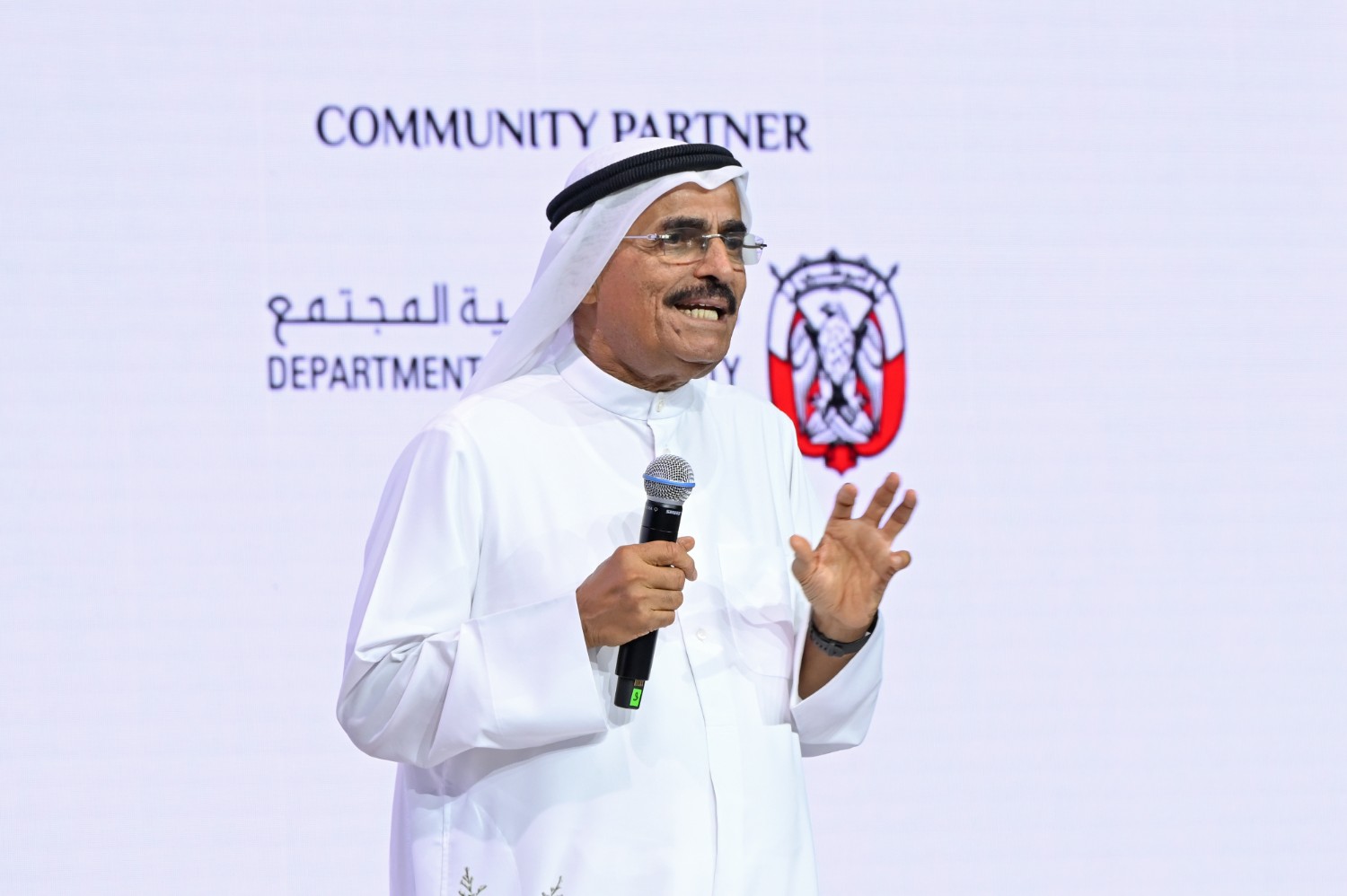
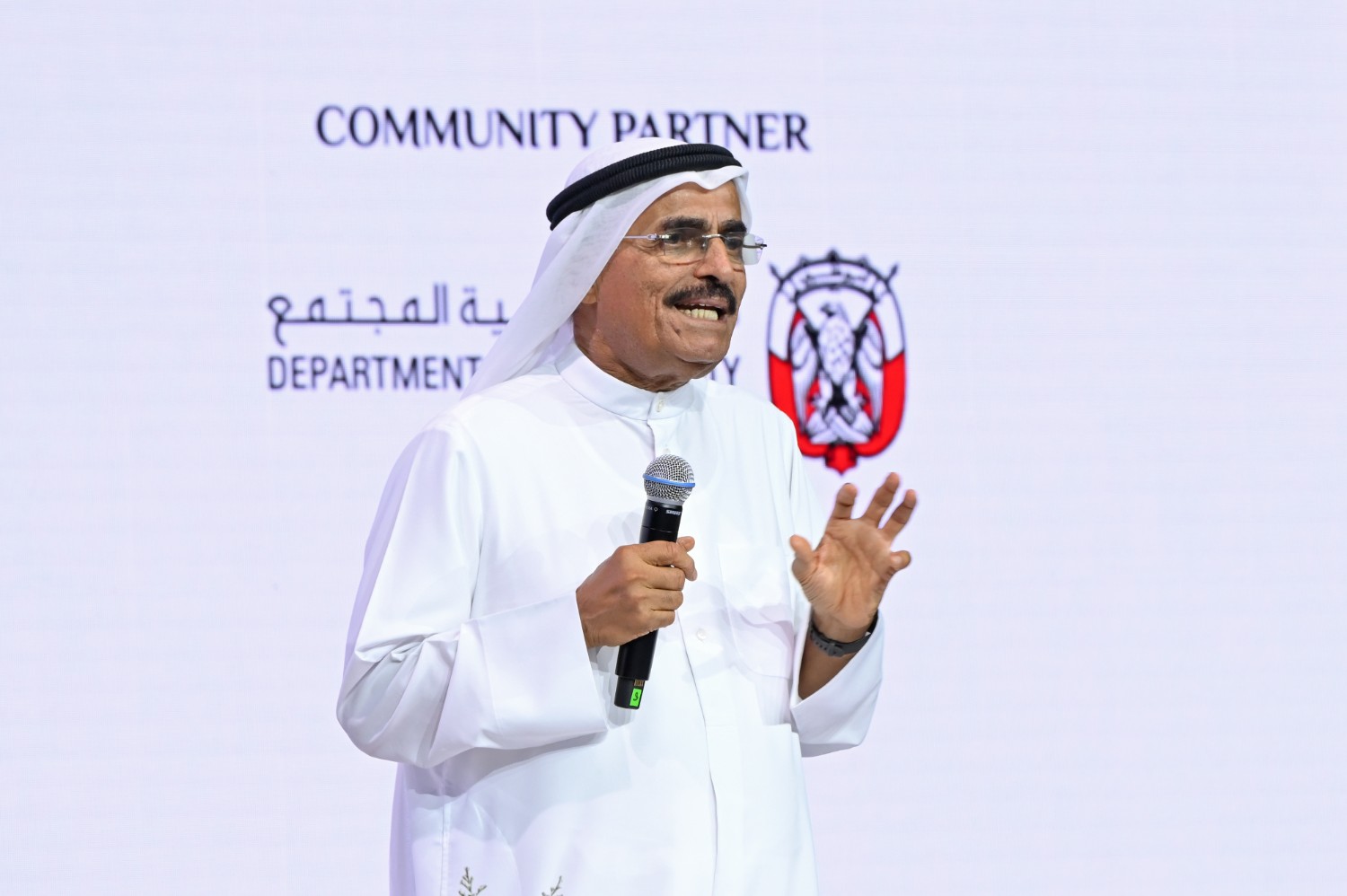
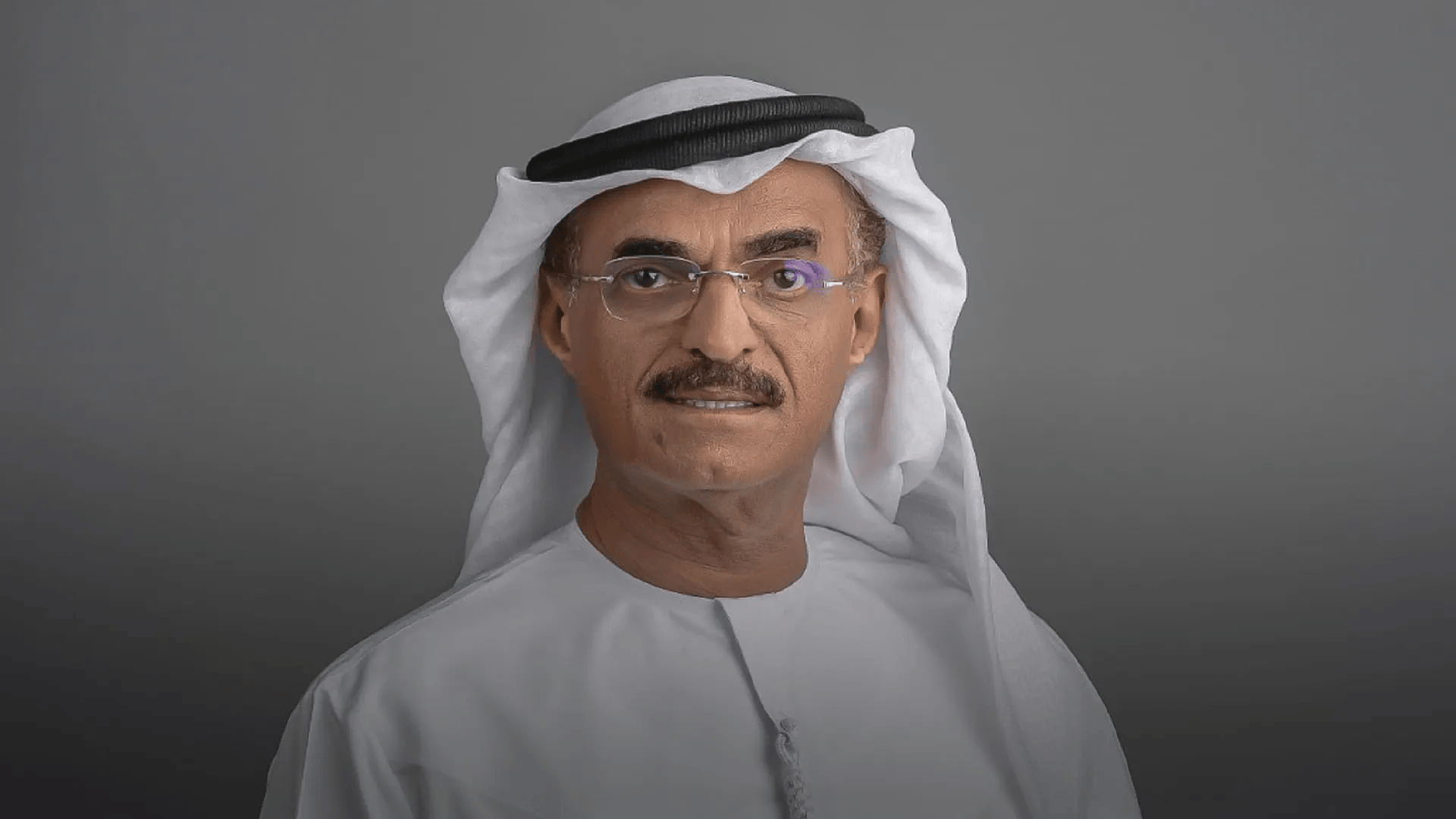
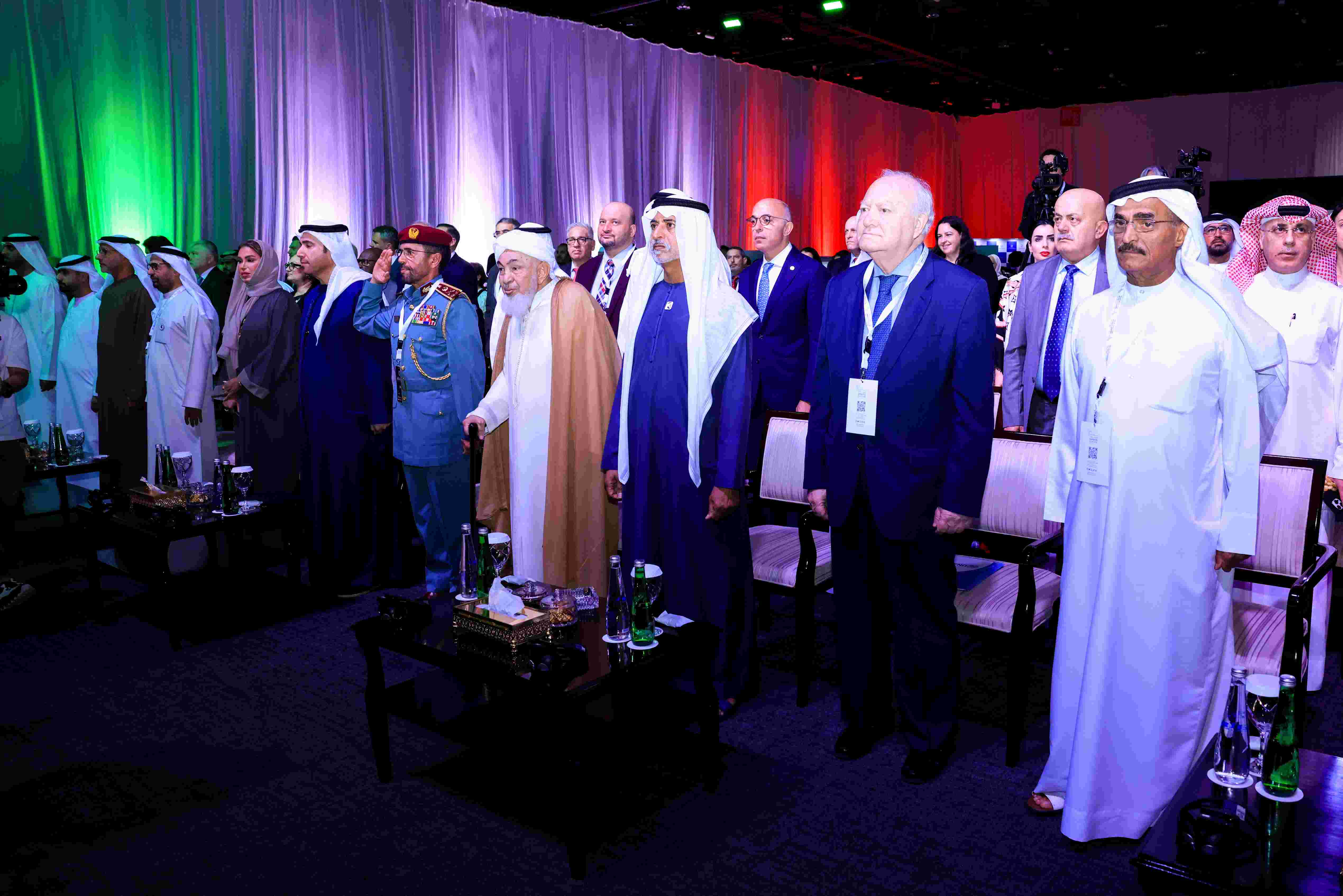
Revealed during the 5th “Make it in the Emirates” forum in Abu Dhabi, the initiative underscores the nation’s ambition to become a regional hub for high-tech industry and innovation. Minister of Industry and Advanced Technology, Dr. Sultan Al Jaber, highlighted that industrial exports soared to AED 197 billion in 2023, nearly 70% higher than in 2021.
“A strong industrial sector is the foundation of sustainable development,” Al Jaber noted. “Each dirham invested is a step toward a future driven by knowledge and innovation”.
The funding will support 11 key sectors, including chemicals, metals, electrical equipment, pharmaceuticals, food production, and rubber and plastics. These industries are central to the UAE’s import substitution industrialization approach, reducing reliance on foreign goods while enhancing local capacity.
To empower the sector, seven major UAE banks — including Emirates Development Bank, First Abu Dhabi Bank, and Emirates NBD will provide specialized financial solutions to industrial companies, especially small and medium-sized enterprises (SMEs) and small and medium enterprises focused on import and export and high-tech manufacturing.
A key pillar of the plan includes expanding long-term offtake agreements valued at over AED 168 billion, aimed at securing stable demand for domestic output. In parallel, the government intends to localize over 4,800 industrial products, minimizing reliance on global supply chains.
As part of this effort, the AED 1 billion Emirates Growth Fund, led by Emirates Development Bank, will specifically target funding gaps for SMEs engaged in industrial production and innovation.
Currently, manufacturing contributes about 9% to the UAE’s GDP, to increase it to 15% by 2031. More than 13,500 industrial companies operate nationwide — 40% based in Abu Dhabi and 20% in Dubai — including a growing number of manufacturers in Dubai, Dubai industrial companies, and import and export companies in the UAE.
Since 2021, the UAE has attracted over AED 180 billion in industrial investments, backed by regulatory reforms, modern infrastructure, and liberalized ownership rules. Emirates Development Bank alone has issued over AED 8 billion in industrial financing.
While oil companies in Dubai and the broader oil & gas sector in Dubai sector remain significant, with hydrocarbons still accounting for 30% of GDP and over half of government revenues, this shift signals the UAE’s strategic pivot. By accelerating its industrial base and clean energy initiatives, the nation is reinforcing its resilience in a volatile global energy landscape.
UAE Commits $11 Billion to Advance Manufacturing, Reduce Oil Dependency
The United Arab Emirates has unveiled a bold plan to invest over AED 40 billion (approximately $11 billion) over the next five years, aiming to position itself as a regional hub for advanced manufacturing and reduce its reliance on oil revenues.
This initiative is a major step under Operation 300bn, a decade-long strategy introduced in 2021 that seeks to increase the industrial sector's GDP contribution to AED 300 billion by 2031. The effort reflects the country’s broader vision to build a more diversified and resilient economy.
During the 5th “Make it in the Emirates” forum held in Abu Dhabi, Dr. Sultan Al Jaber, the UAE’s Minister of Industry and Advanced Technology, highlighted the nation’s progress. He noted that industrial exports reached AED 197 billion in 2023, representing a nearly 70% increase compared to 2021.
“A strong industrial sector is the foundation of long-term economic growth and societal progress,” said Al Jaber. “Every dirham invested in manufacturing is an investment in a more advanced and sustainable future”.
The investment will be directed toward 11 key sectors, including chemicals, metals, electrical equipment, food production, pharmaceuticals, rubber and plastics, and wood and paper products. These areas have been identified as priorities for enhancing local capabilities and reducing import dependence.
To support the expansion, seven major UAE banks, including Emirates Development Bank, First Abu Dhabi Bank, Mashreq, and Emirates NBD, will provide tailored financing solutions for industrial firms, particularly those focused on import substitution and high-tech production.
A cornerstone of the initiative is the expansion of long-term offtake agreements, with a target value exceeding AED 168 billion over the next decade. These contracts secure future purchase volumes, helping to instill investor confidence and ensuring sustained demand for domestically produced goods.
In tandem, the UAE plans to localize more than 4,800 industrial products, significantly lowering its dependence on imported materials and components.
The government also announced the launch of the AED 1 billion Emirates Growth Fund, spearheaded by Emirates Development Bank, to bolster small and medium-sized enterprises (SMEs) within the industrial space.
According to the Ministry of Industry and Advanced Technology, the manufacturing sector currently contributes about 9% to the UAE’s GDP, with ambitions to raise that figure to 15% by 2031. At present, around 700,000 people are employed across over 13,500 industrial firms nationwide 40% of which operate in Abu Dhabi, and 20% in Dubai.
Between 2021 and 2024, the UAE attracted over AED 180 billion in industrial investments, supported by reforms that include enhanced infrastructure, foreign ownership laws, and streamlined regulatory frameworks. Emirates Development Bank alone has provided upwards of AED 8 billion in financing for industrial projects during this period.
The strategic urgency behind these efforts stems from the UAE’s continued dependence on hydrocarbons, which still contribute about 30% of GDP and over 50% of government revenues. With the global energy landscape shifting and oil prices remaining unpredictable, the country is accelerating its transition toward manufacturing, innovation, and clean energy as the foundations of a post-oil economy.
العودة إلى الأخبار