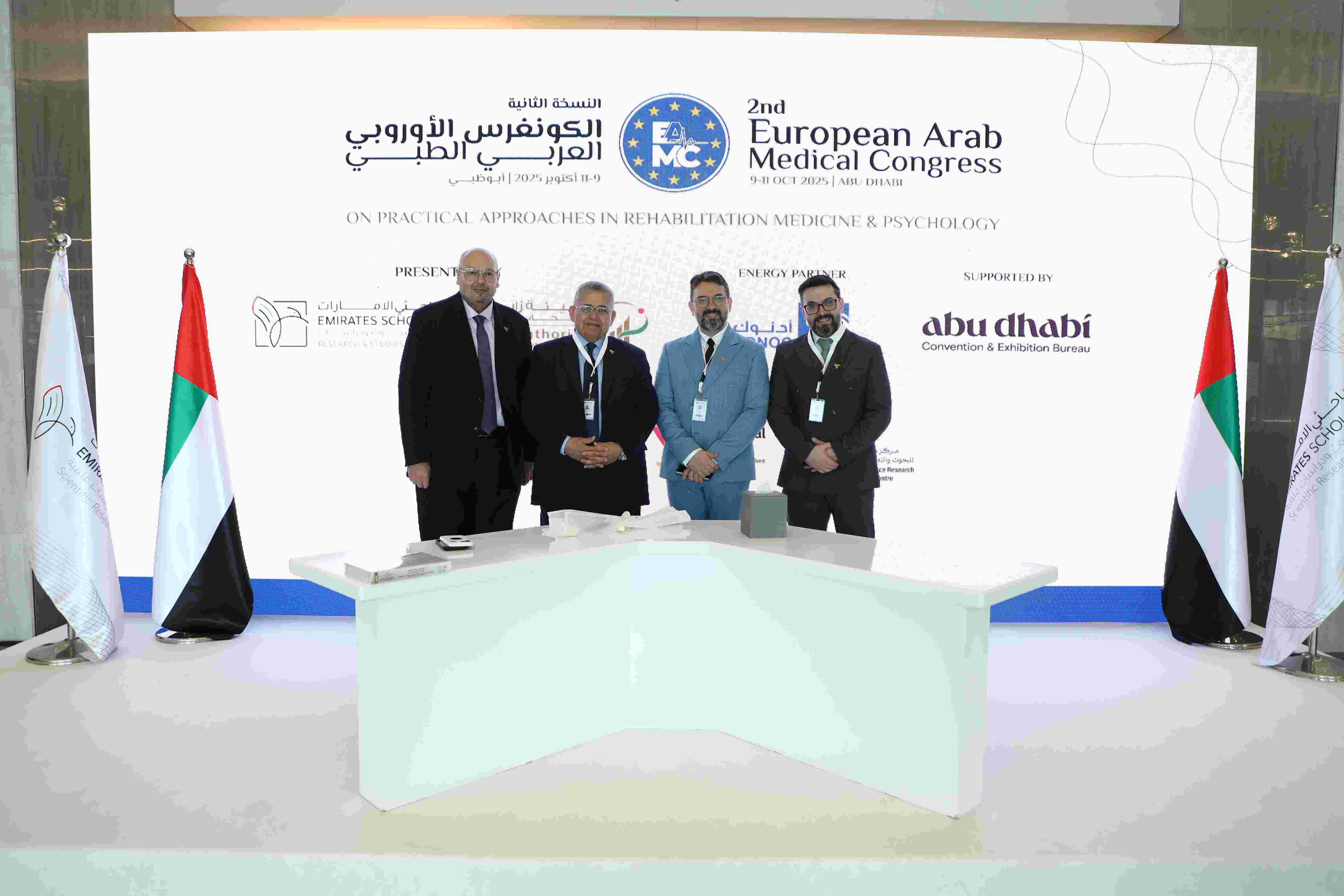
Conference
UAE FININT Resilience using Network-Based Framework for Countering Terrorist Financing
المستخلص
Purpose - The United Arab Emirates (UAE) occupies a distinctive position in the international financial system: its success as a global banking, trade, logistics and virtual-asset hub simultaneously generates economic value and creates a complex exposure surface for transnational terrorist financing. This article argues that institution-level anti-money-laundering and counter-terrorist-financing (AML/CFT) compliance remains necessary but analytically and operationally incomplete for a high-connectivity jurisdiction, and proposes a shift from a compliance-centred architecture to a Financial Hub Resilience Model (FHRM).
Methodology - The study adopts a doctrinal and conceptual research design, combining doctrinal legal analysis of primary instruments (Federal Decree-Law No. 10 of 2025 and Cabinet Resolution No. 134 of 2025), comparative institutional analysis of the United Kingdom, Singapore and United States frameworks, and conceptual synthesis of the regulatory-compliance, network-analytic and geopolitical literatures.
Findings - The FHRM relocates the unit of defence from the individual regulated entity to the interconnected ecosystem. It rests on two original constructs: the Financial Hub Attack Surface (seven-layer interfaces across banking, informal value transfer, corporate structures, trade, real estate, digital finance and the non-profit sector); and Financial Convergence Risk (individually explicable transactions that form, across institutions, a coherent terrorist-financing pathway invisible to single-institution monitoring).
Conclusions - The model yields an operational architecture centred on intelligence fusion, typology-led detection, a bidirectional public-private partnership, and two outcome metrics (Time-to-Disruption and Financial Network Containment). Its central claim is that the UAE’s financial connectivity can be converted from a residual vulnerability into a sustained comparative advantage in financial integrity and national security, provided the ecosystem, rather than the firm, becomes the object of defence.
الكلمات المفتاحية
terrorist financing
financial-hub resilience
United Arab Emirates
AML/CFT
financial intelligence
network risk
public-private partnership
typology-led detection