When the UAE announces the adoption of “Zayed Founder’s Day,” on 7 January, as an annual national occasion, it affirms that great nations do not merely celebrate their achievements; they strive to…
When the UAE announces the adoption of “Zayed Founder’s Day,” on 7 January, as an annual national occasion, it affirms that great nations do not merely celebrate their achievements; they strive to preserve the values that made those achievements possible. The late Sheikh Zayed bin Sultan Al Nahyan, may God rest his soul, was not only the founder of a state, but the founder of a civilizational vision whose impact still extends across the journey of the Union, is evident in the achievements of empowerment, and is present in the drive toward sustainability and shaping the future.
When we reflect on the global standing the UAE has reached today in development, the economy, innovation, and quality of life, it is essential to recall the reality of the region before the Union was established. Education, healthcare, and modern infrastructure were still in their earliest stages.
Amid those challenges emerged the vision of the Founding Father, Sheikh Zayed bin Sultan Al Nahyan, built on the belief that building people is the true gateway to building the nation, and that investing in education, health, and development is the path to a more stable and prosperous future.
From a historical and developmental perspective, the Emirati experience can be read through three interconnected and successive phases, which together form a unique national success story: Foundation, Empowerment, and Sustainability.
– The Foundation Phase: Building the State and Its People
The foundation phase marked the great launch of the Emirati project. During it, the idea of the Union became a political and social reality, the pillars of the modern state were established, federal institutions were founded, and frameworks were put in place to ensure stability, unity, and joint action.
– The Empowerment Phase: Expanding the Scope of Achievement
As the foundations of the state took firm hold, the UAE entered the empowerment phase, which saw a qualitative expansion of national capabilities, government institutions, and the national economy. In this phase, the state moved from laying foundations to maximizing impact, and from providing services to developing efficiency, competitiveness, and innovation. Empowerment was embodied in investing in human capital, building modern institutions able to keep pace with global change, diversifying the economy, raising government performance, and achieving global best practices. Emiratis became key partners in leading development, shaping decisions, and charting the future.
Thus, the empowerment phase can be seen as the stage that turned national achievements into sustainable capabilities, and made the UAE a development model that combines stability, efficiency, and openness to the world.
– The Sustainability Phase: A Vision for the Future
The third phase, sustainability, represents the natural continuation of a path that began with the foundation and was strengthened by empowerment. The challenge in today’s world is no longer achieving growth alone, but ensuring its continuity and its capacity to serve future generations.
Accordingly, the UAE has adopted a comprehensive vision of sustainability that links economic development with environmental protection, enhanced quality of life, scientific progress, and innovation.
At the heart of this vision, people remain the focus and the ultimate goal of development, the very principle the Founder established from the earliest days of building the nation.
The significance of “Zayed Founder’s Day” goes beyond commemorating a national occasion; it is an opportunity to reflect on the path the UAE has taken since the founding of the Union, and to recall the values behind this exceptional success. The transition from foundation to empowerment, and then to sustainability, was not a move between separate stages, but the natural evolution of a single vision that began with the Founder and continues to lead the nation toward new horizons of progress.
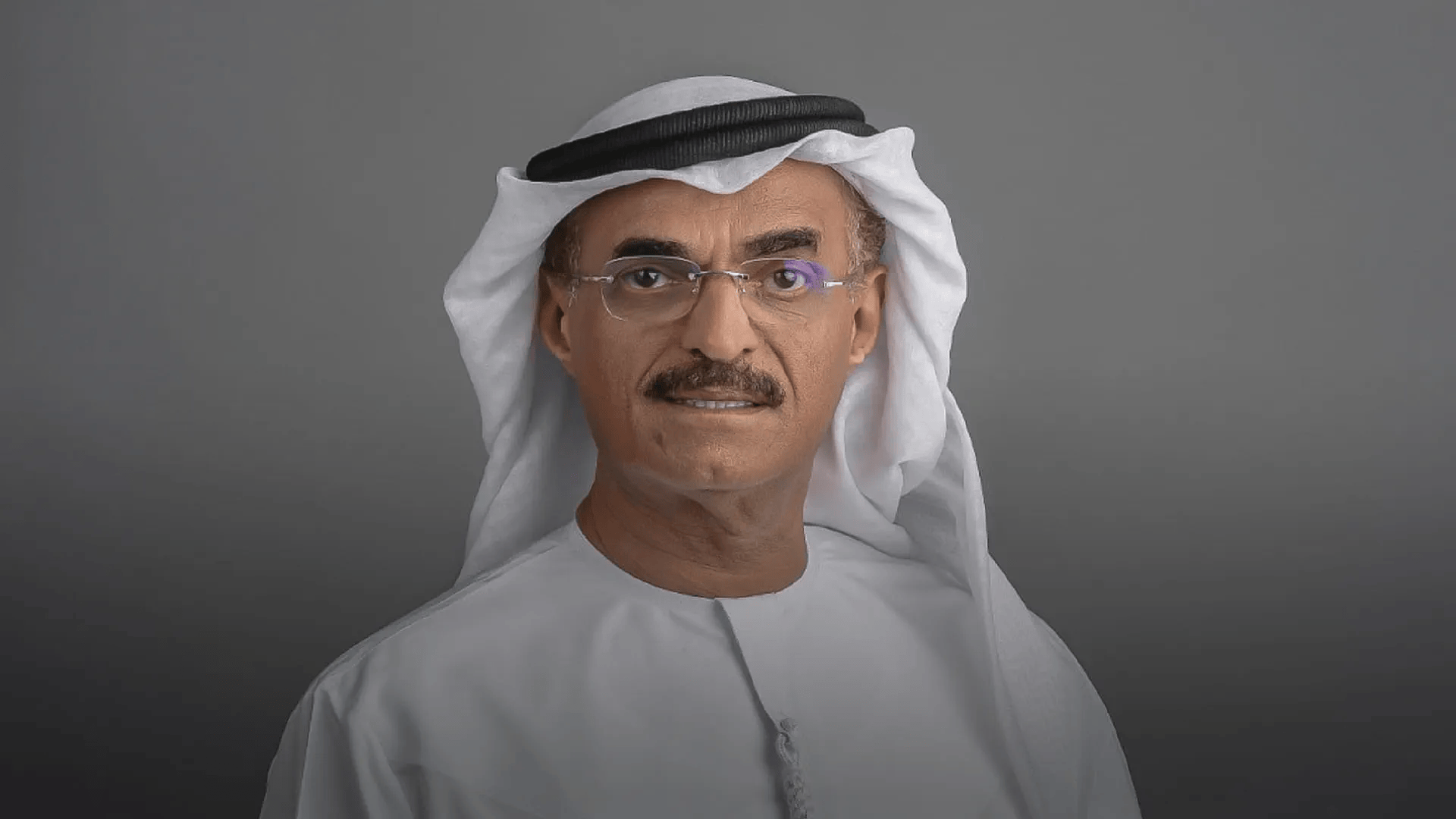
In this context, the announcement of “Zayed Founder’s Day” coincided with my work on a book tracing the UAE’s journey through three pivotal milestones: Foundation, Empowerment, and Sustainability. I found in this national occasion confirmation of an idea that stayed with me throughout my research and writing: that the UAE’s story cannot be read through its current achievements alone, but through the civilizational sequence that began with the Founder’s vision, then evolved into a project of national empowerment, before taking shape today as a comprehensive vision for sustainability and shaping the future. That is why “Zayed Founder’s Day” seemed to sum up the central idea of the entire book: everything achieved since finds its first roots in that founding moment when the vision became a nation.
On this day, we do not only remember the achievements of the past; we draw from them provisions for the future. The legacy left by the Founder is not merely bright pages in history, but a system of values grounded in unity, people, giving, and responsibility toward future generations.
In this sense, “Zayed Founder’s Day” is not so much a pause to look back as it is an invitation to reflect on the future, and to recall the vision that made building people the foundation for building the nation, and made sustainability a moral and civilizational responsibility toward future generations.
Back to news