The commercialisation of space access has enabled countries beyond space powers to develop sovereign capabilities. The United Arab Emirates has pursued this opportunity strategically. Since launching…
The commercialisation of space access has enabled countries beyond space powers to develop sovereign capabilities. The United Arab Emirates has pursued this opportunity strategically. Since launching the Hope Probe to Mars in 2020, the Arab world’s first interplanetary mission, the UAE has expanded its technical ambitions, infrastructure and workforce.
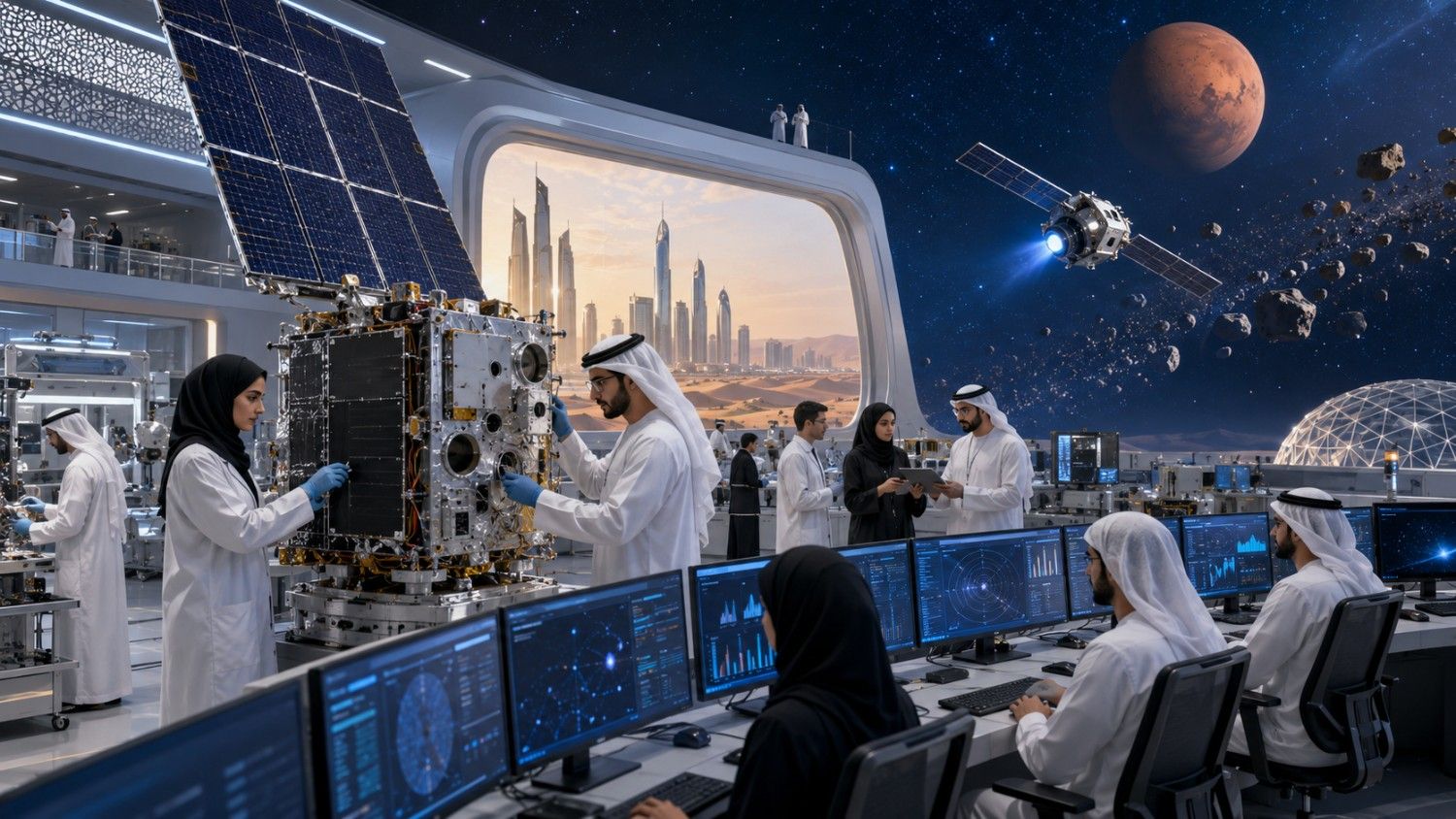
A defining feature of the UAE model is its emphasis on human capital alongside technological achievement. Rather than relying on foreign-built systems, national space programmes involve Emirati engineers, researchers, and students during mission development. This approach is evident in the SEO satellite mission, the MBR Explorer programme, and the National Space Strategy 2031.
Led by the UAE Space Agency, the National Space Strategy 2031 aims to double the economic contribution of the space sector while strengthening national capabilities in research, development, and manufacturing. It also supports diversification by expanding knowledge-based industries beyond hydrocarbons. Space technology contributes to telecommunications, agriculture, environmental monitoring, navigation, security, and data services.
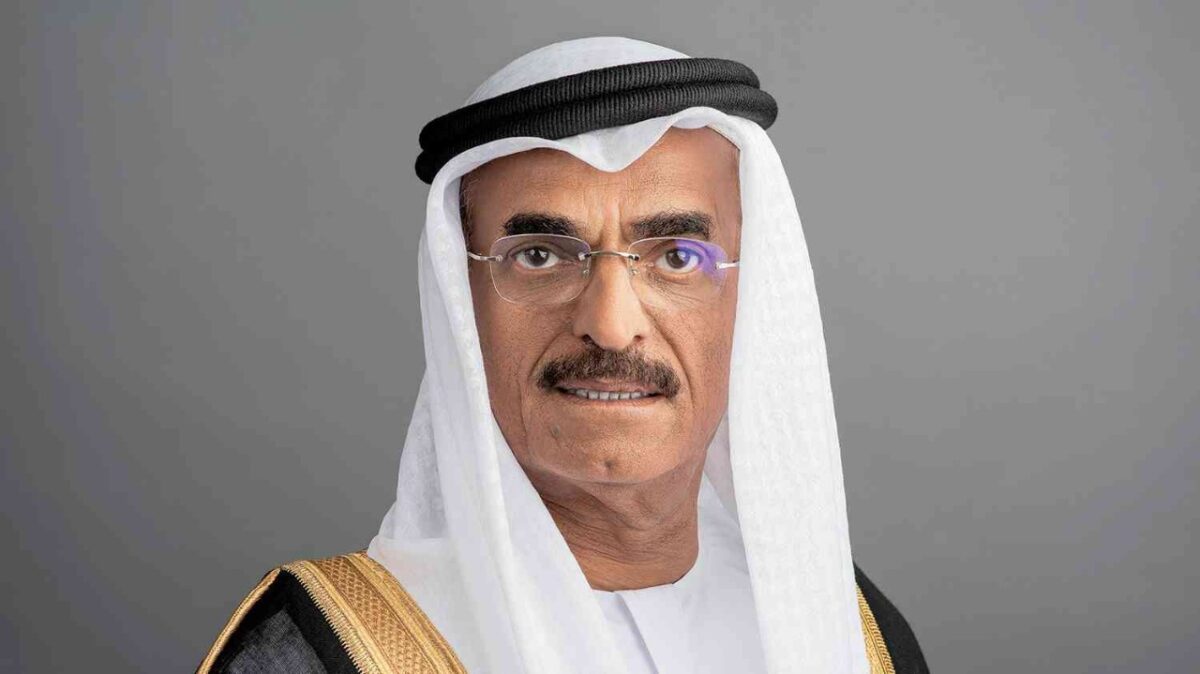
Established in 2014, the UAE Space Agency serves as the sector’s regulatory and strategic authority. Its responsibilities include licensing, international cooperation, policy development, and support for a domestic space economy. Director General Salem Al Qubaisi has linked initiatives such as the SEO mission to preparing Emirati researchers and engineers for innovation and sustainable development.
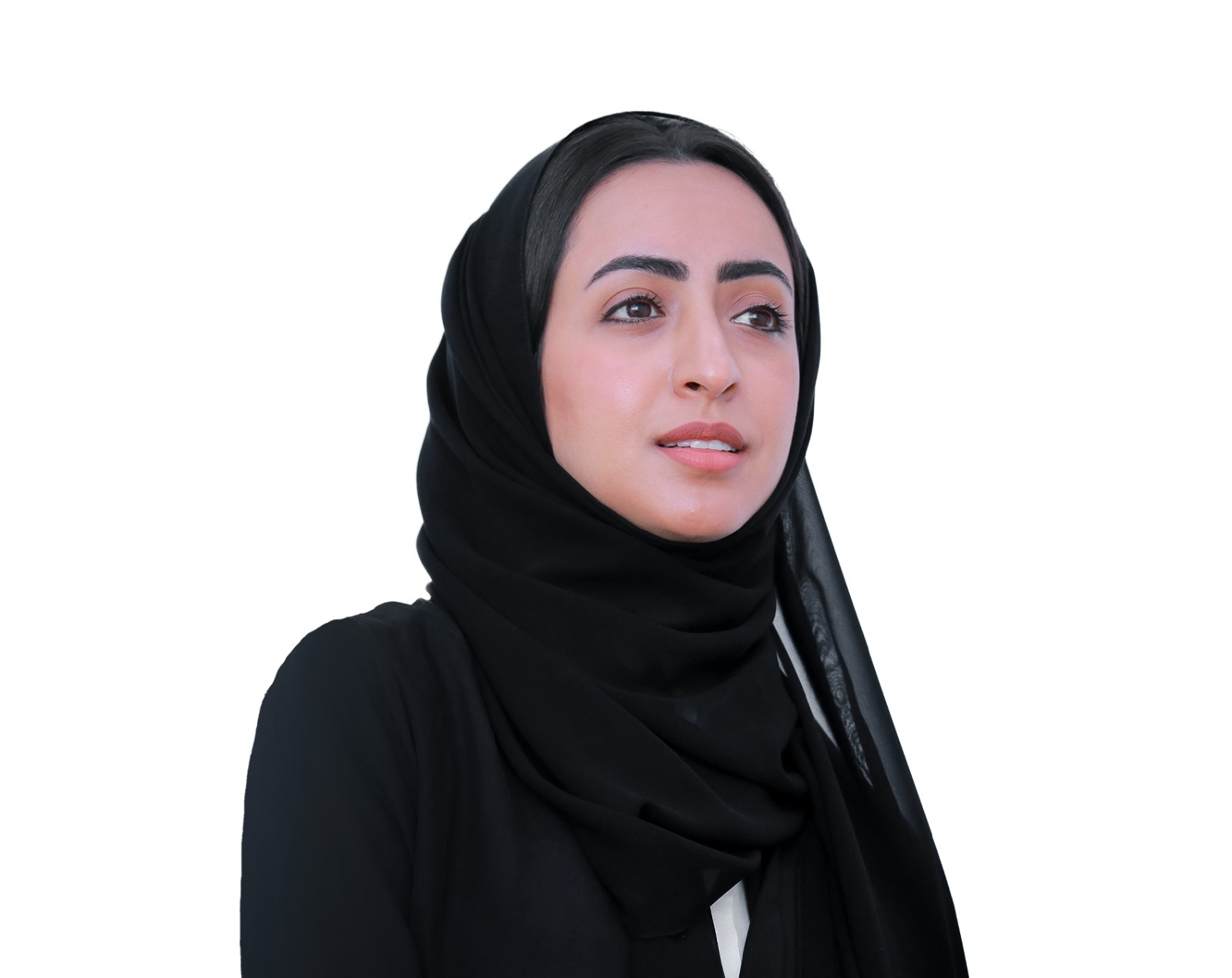
The SEO satellite mission, developed with Chinese institutional partners and hosted at the National Space Science and Technology Centre at UAE University, illustrates this capacity-building model. Its ground-station management and satellite assembly, integration, and testing facilities provide Emirati engineers and students with exposure to satellite development. Dr Nabil Al Bastaki, Director of the NSSTC, has described the project as evidence of confidence in young Emirati talent.
The mission functions as a scientific and workforce-development platform. By combining academic learning with mission responsibilities, the NSSTC creates a pathway from education to advanced-sector employment. This approach reflects Habbal and Al Falasi (2024), who emphasise sector-specific capacity building as essential to workforce sustainability.
MBR Explorer extends this strategy into deep-space exploration. Scheduled for launch in 2028, the spacecraft will travel five billion kilometres over eight years to the main asteroid belt. Described as the UAE’s most complex mission to date, it demonstrates progress beyond Earth orbit.
In May 2024, Sheikh Hamdan bin Mohammed announced a Dh1 billion strategy to expand space projects, develop infrastructure, and strengthen international partnerships. This investment signals a transition from foreign procurement towards a self-sustaining ecosystem capable of producing local intellectual property, attracting investment, and exporting expertise.
The UAE’s space trajectory combines developmental, economic, and symbolic objectives. Its integration of education with mission operations offers a model for emerging space nations, particularly across the GCC and Global South. Sino-Emirati cooperation also reflects diversification beyond the traditional Euro-American axis.
Overall, the UAE demonstrates how coordinated policy, investment, international collaboration, and workforce development can accelerate sovereign space capabilities. Future research should measure the human-capital outcomes of the SEO mission, evaluate the returns of investment, and compare the UAE model with other emerging space nations.
Back to news